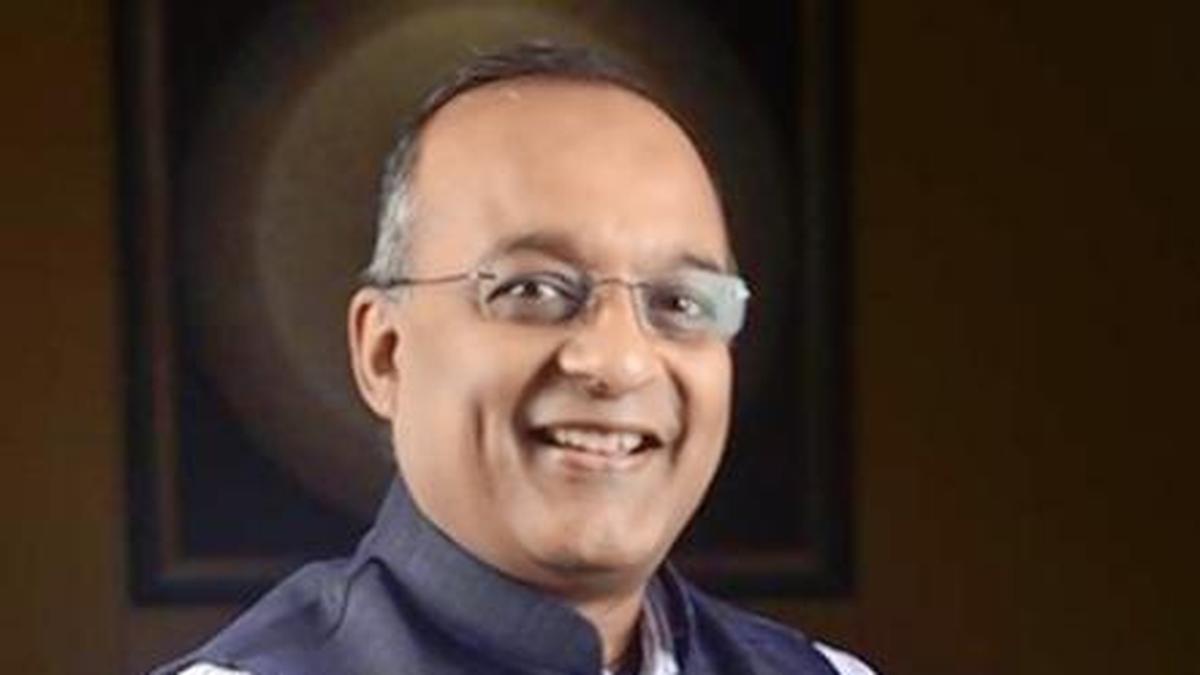

HDFC Bank’s MD & CEO Sashidhar Jagdishan. File
| Photo Credit: Special arrangement
The global macroeconomic environment remained challenging as the lingering impact of the West Asia conflict could weigh on global growth & inflation and the turn towards monetary tightening by major central banks remained a risk for global liquidity and growth, said India’s biggest private sector bank HDFC Bank’s MD & CEO Sashidhar Jagdishan in his message for shareholders in the bank’s latest annual report which was released on Saturday (July 11, 2026).

The volatility in financial markets due to AI related capital flows, any re-emergence of tariff risks or geopolitical tensions remain key risks ahead, he emphasised.
“Despite these uncertainties, India’s growth outlook remains favourable. Proactive policy measures by both the Government and the RBI are also expected to help mitigate external risks to India’s macroeconomic stability, including pressures on the current account and exchange rate,” he mentioned.

He added, “Weather related disruptions like El-Nino along with possibility of a below normal monsoon pose a risk for both the growth and inflation outlook in 2026-27.”
He said “For the banking sector the evolving environment presents both opportunities and challenges. Strong domestic economic fundamentals, sustained retail and MSME credit demand, policy support measures and the government’s emphasis on strengthening domestic manufacturing are expected to support credit growth going forward.”
“At the same time, risks from global trade fragmentation, geo-political tensions and external financial market volatility warrant continued vigilance and prudent risk management across the sector,” he pointed out.
He said while there could be short-term concerns, he remained positive about India as an enduring long term growth story.
“Our country enjoys political stability, policy continuity, a demographic advantage and the ability to operate effectively during times of turbulence. Policy continuity has been manifest in the renewal of the inflation targeting framework for another five years till March 31, 2031,” he said.
In the last three and a half years, the Indian Government has signed nine Free Trade Agreements (FTAs) covering 38 developed economies to foster access to markets that represent a large share of the global GDP, he highlighted.
Published – July 11, 2026 07:42 pm IST
Leave a Reply